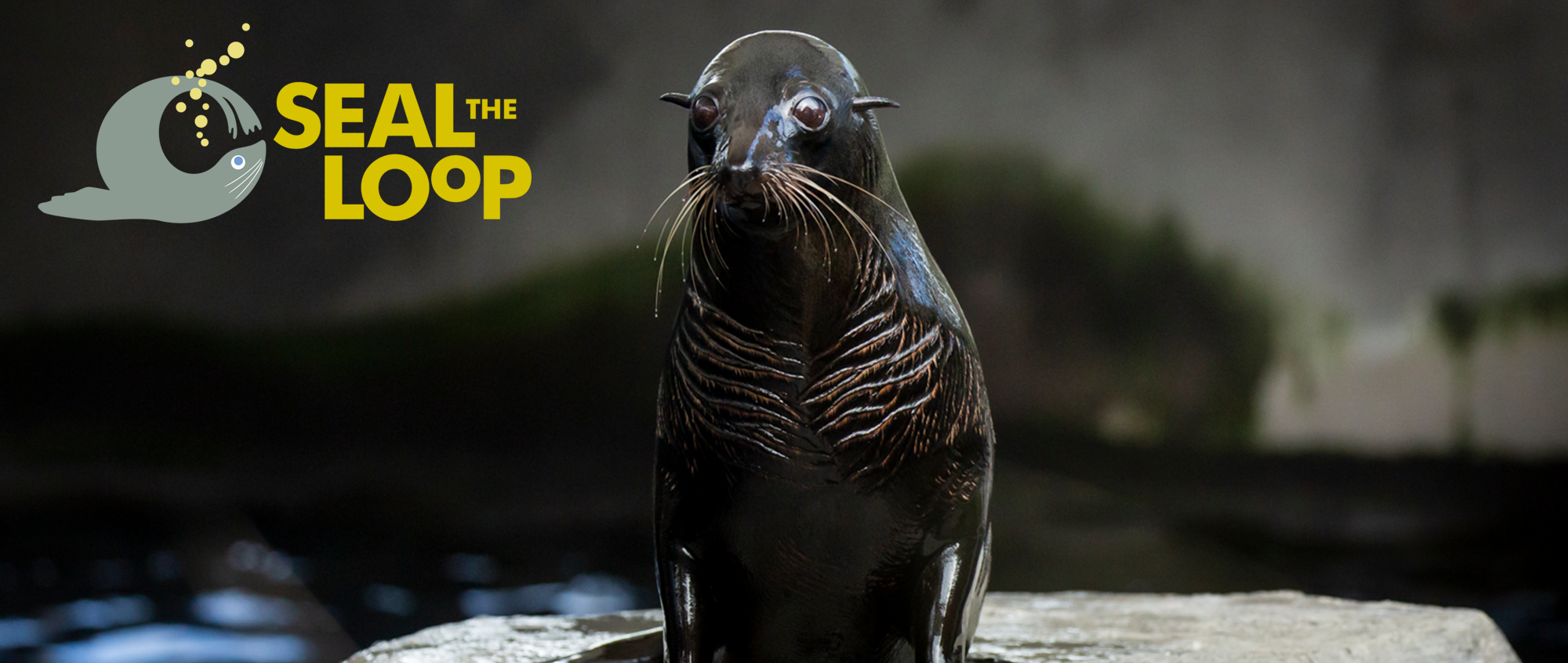
Seal the Loop

Local councils and community groups, get involved now!

We now have 15 free Seal the Loop bins on offer thanks to funding through the Victorian Government, Recreational Fishing Licensing Fees. Email Ben to secure yours.

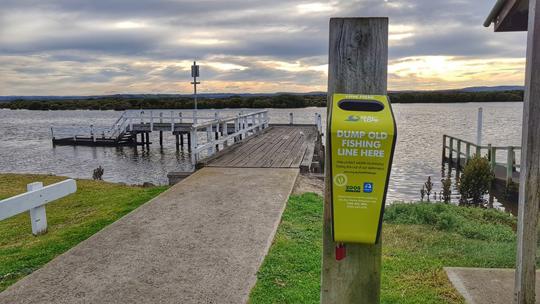
Seal the Loop bins are specially designed to collect fishing waste and help reduce the rates of marine wildlife entanglement. The bins are made from recycled plastic collected at Melbourne Zoo.

Find a Seal the Loop bin near you!

View Seal the loop locations in a larger map

More than 70 Seal the Loop bins have now been distributed since November 2010.

Plastics are the most common litter item found within Australia. Each year Melbourne Zoo provides care to marine animals such as seals, penguins and pelicans that have become entangled in somebody's waste.

Melbourne Zoo visitors can help save marine wildlife by recycling their plastic waste onsite. Their plastic will be turned into special Seal the Loop bins and installed in selected fishing locations, making it easier for anglers to ensure their waste never harms wildlife.

Silva was found tangled in a discarded fishing net. The net had cut so deeply into her that it took months for her to recover.

News
Silva the seal

Sad Farewell to Silva

Melbourne Zoo has lost a longtime resident, Australian Fur Seal Silva, who was brought to the Zoo in July 1988 as a victim of marine entanglement.

12 April 2013
RMIT windows themed fighting extinction

Saving wildlife, one window at a time

RMIT Visual Merchandising students have brought to life the meaning of fighting extinction in the spectacular window display at RMIT's city campus on Cardigan Street.

3 April 2013
The Animals
Australian Fur Seal wave

Australian Fur Seal

Visiting the Australian Fur Seals at Melbourne Zoo is an exciting opportunity to engage with these endearing animals.

FAQs

Question

Why is Zoos Victoria running Seal the Loop?

Answer

  • As a zoo-based conservation organisation we are committed to wildlife conservation.
  • Thousands of marine birds, mammals, reptiles and fish are killed or injured each year due to poorly discarded fishing line. Zoos Victoria provides veterinary care for many wildlife entanglement victims each year.
  • Plastics are the most common litter item found in Australia[1]. Seal the Loop helps to reduce such waste as Seal the Loop bins are made from recycled plastic.
  • This initiative is the first of its kind in Victoria and environmental and recreational angling groups alike have expressed a need for such an initiative for the sake of marine wildlife and the health of recreational fishing.

Question

How does it work?

Answer

Plastic collected from bins at Melbourne Zoo are recycled and made into specially designed Seal the Loop bins. These bins are placed at ports and piers around Victoria’s coastline to help facilitate the responsible disposal of fishing waste by recreational anglers. With the 2011 expansion of the program we will also have stickers available to be included on fishing charter boats around Victoria.

Question

What do you hope to achieve?

Answer

The Seal the Loop initiative aims to:

  • reduce marine wildlife entanglement rates.
  • raise awareness of the threats that plastics pose to marine wildlife
  • encourage onsite recycling, consequently reducing the amount of waste generated at Melbourne Zoo.

Question

How/where are the bins made?

Answer

The bin design is completely original and has been developed by a Melbourne Industrial Designer, John Vanzella. After the recycled plastic sheets are cut, each bin is hand-built in Melbourne ready for installation on a port or pier near you.

Question

What happens to the fishing line after being collected from the bins?

Answer

The fishing line is currently included with general waste, and where possible some fishing groups are reusing higher quality line. The line is cut into shorter pieces before entering general waste so as not to cause damage to wildlife when in landfill.

Question

Won’t the bins just be used for general waste and fill up?

Answer

Zoos Victoria conducted a trial of 20 bins around the Victorian coastline in early 2011. Over five months these bins were monitored and the contents carefully recorded. All bins have recorded some proportion of other waste, however fishing waste made up around 60% of the contents, and no bin overfilled.

Question

Has anything been done like this in Australia before?

Answer

Yes. This program is based on a similar program which has been rolled out by OceanWatch Australia on coast and inland waterways around New South Wales. This program proved to be successful after a trial period. Seal the Loop is the first project of this in Victoria.

Question

What is the cost to a council or organisation for taking on a bin?

Answer

The bins are offered completely free of charge to any organisation, council or group who agree to install and ensure they are properly managed. Organisation of the emptying of the bins is the responsibility of individual councils or organisations and is generally done by local volunteer groups, individuals or council contractors.

Question

How do people hear about the Seal the Loop?

Answer

The bins are educational tools in themselves. They include text which shares the key message with anglers and others. We also have a range of posters and stickers available that groups involved and other interested parties can use to help spread the message. We are also planning on including our messages on fishing charter boats around Victoria where possible throughout 2011/12.

Melbourne Zoo has interpretive static displays and presentations for visitors. Key messages onsite at the zoo involve the importance of recycling plastics as well as disposing of fishing waste thoughtfully when at the coast.

Question

Who is funding the program?

Answer

As of mid 2011 the Victorian Government has allocated funding over two years to install a further 40 Seal the Loop recreational fishing line disposal bins around Victoria. This grant was allocated under the Department of Primary Industries’ Recreational Fishing Grants Program.

[1] Clean Up Australia – sources of rubbish


Did you know?
  • There are approximately 46,000 pieces of plastic floating in each square mile of the world's oceans.
  • Discarded plastic kills around 1 million sea birds, 100,000 sea mammals and countless fish each year.
  • Plastics persist in the environment for hundreds of years.
  • Fishing line is a common plastic pollutant that causes wildlife entanglements.